
Fauves Cage
High Proficiency Courses
Summer School 2026
THIS JUNE
4 INDEPENDENT COURSES
4 HIGHLY SPECIALISED TUTORS
6 SELECTED STUDENTS
6-10 JuLY - Giovanni Sipiano teaches daw mastery (NEW DATES Still available)
20-24 JuLY - Nikolay Georgiev Teaches Microphone Mastery (NEW DATES Still available)
15-19 June - Donato Panaccio Teaches Home Studio Production (INQUIRE FOR NEXT ONE)
22-26 June - Alessandro Favero Teaches Mixing Decisions Mastery (INQUIRE FOR NEXT ONE)
+INFO
-
Four tutors who do this for a living AND know how to teach it.
Intensive 5-day music production courses from a private London studio. Maximum six students per course. All the courses are in June 2026, each has its dedicated week. Every session is hands-on, every question gets a real answer, and you leave with work you made, not just notes from a lecture.
-
Tutors who are the real thing
Finding someone who’s genuinely expert in their field is hard enough. Finding someone who’s also a skilled teacher , who genuinely cares whether you learn, is extremely rare. We found four of them.
Every tutor on this programme is a working professional and a professional educator. Not only have they mastered their craft, they know how to pass it on (which is even more than teaching). That’s not a common combination, and it’s the reason this summer school exists.
What you get
Direct, honest feedback on your work from someone who knows what they’re talking about. Five days of structured, hands-on practice in a working studio. A small group of people at your level, curated through an application process so the room works.
And courses designed around specific outcomes we’re confident you won’t find elsewhere. Because we’re in the field.
-
WHERE
The Summer School will take place at Fauves Cage Studio, High Barnet, London, UK and other High end Commercial Studios, depending on the course.
WHEN
4 courses, 1 week each across June 2026. Check below for info on individual courses
WHO
The Summer School is open to students, graduates in music production and related disciplines and to people with an appropriate background and professional experience in the music production field.
FEES INCLUDE (per course)
Days: 5
Lectures: 10 (one morning, one afternoon)
Studios: 3 across courses
Learning Materials are providedAPPLICATION
Apply through the module at the end of this page. We will review your application and, if successful, we will offer you a place on the course, together with the payment options. Note: the seats are assigned to the first 6 people that make the payment, not the first 6 people that apply or receive the offer.
-
The fee for these courses are £1250 each. We are welcoming the Founders Cohort for £595. This is to account for the trust you place in us (although the tutors’ CVs and testimonials from ex students speak volumes), and because you will literally be helping us launching this program! This special fee is a one-time, not a discount. We are not Waves.
4 weeks. 4 courses. 4 tutors.
Cut through the noise. Five days building a production workflow that works: the right equipment choices, the right techniques, and a clear understanding of what matters in your own space.
INQUIRE FOR NEXT COHORT
〰️
* CLOSED *
〰️
INQUIRE FOR NEXT COHORT 〰️ * CLOSED * 〰️
Learn how to know what to do. A methodology for connecting every move in a mix to a reason, so you always have a clear path forward, not just a list of techniques.
Know your tools so well they disappear. Five days building DAW fluency so you stop thinking about the tools and fly through the work. Pro Tools, Logic and Ableton available.
Application Deadline June 21
〰️
Application Deadline June 21 〰️
Replace guesswork with strategy. Learn how to choose the right mic, the right placement, and the right configuration for the sound you’re after every time, and know why it works.
Application Deadline July 1st
〰️
Application Deadline July 1st 〰️
INQUIRE FOR NEXT COHORT
〰️
* CLOSED *
〰️
INQUIRE FOR NEXT COHORT 〰️ * CLOSED * 〰️
Who are the Fauves Tutors
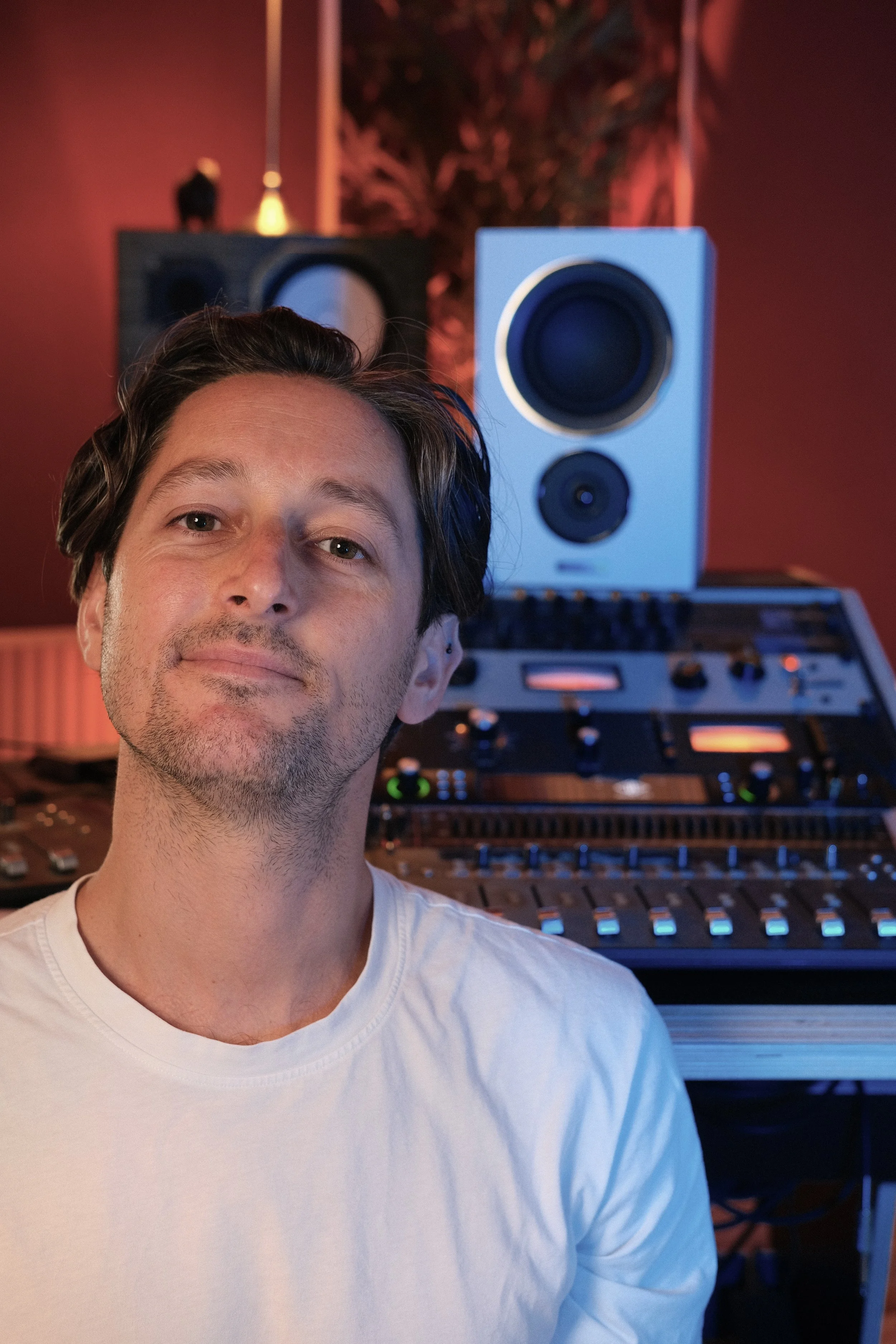
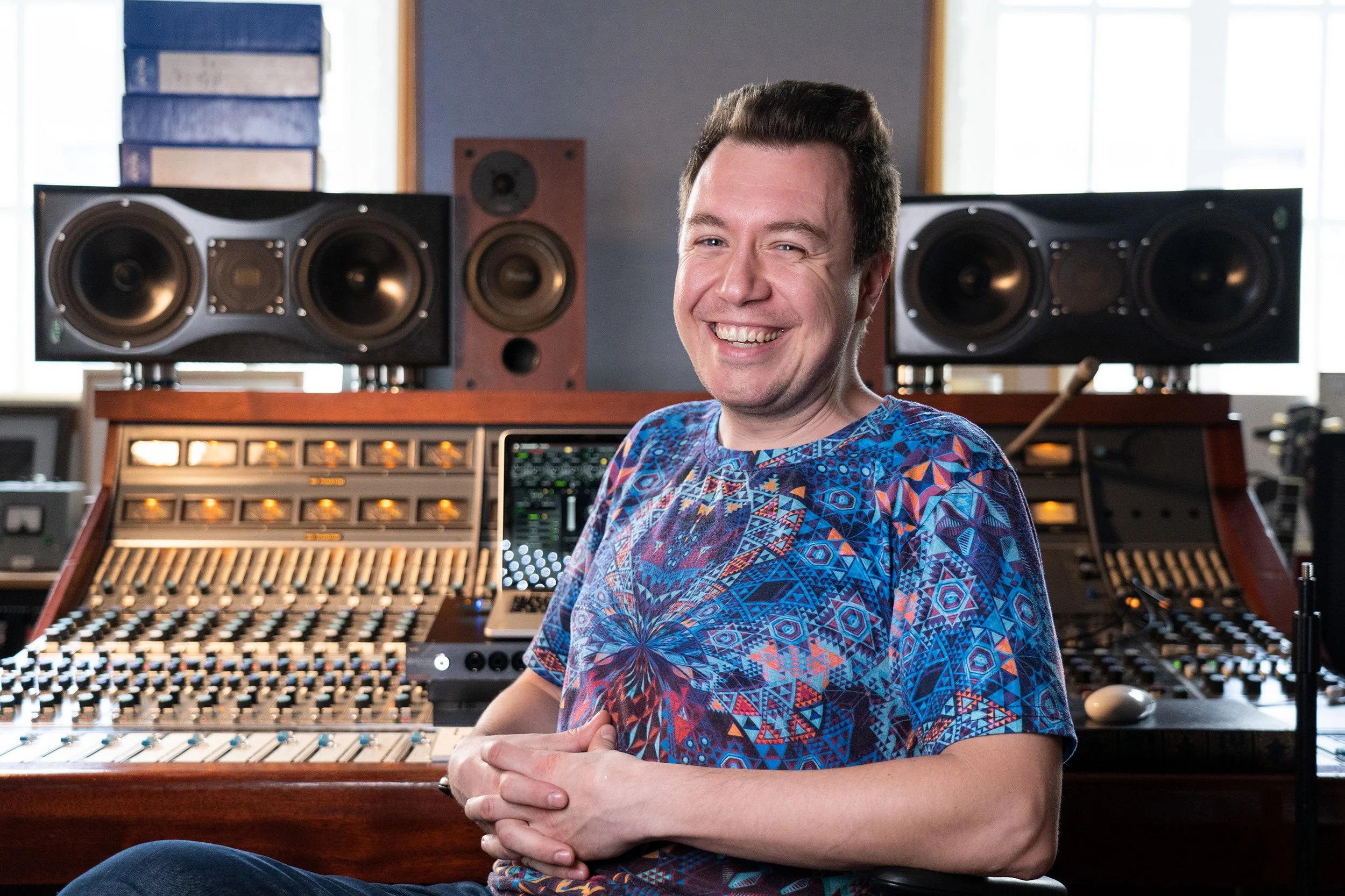
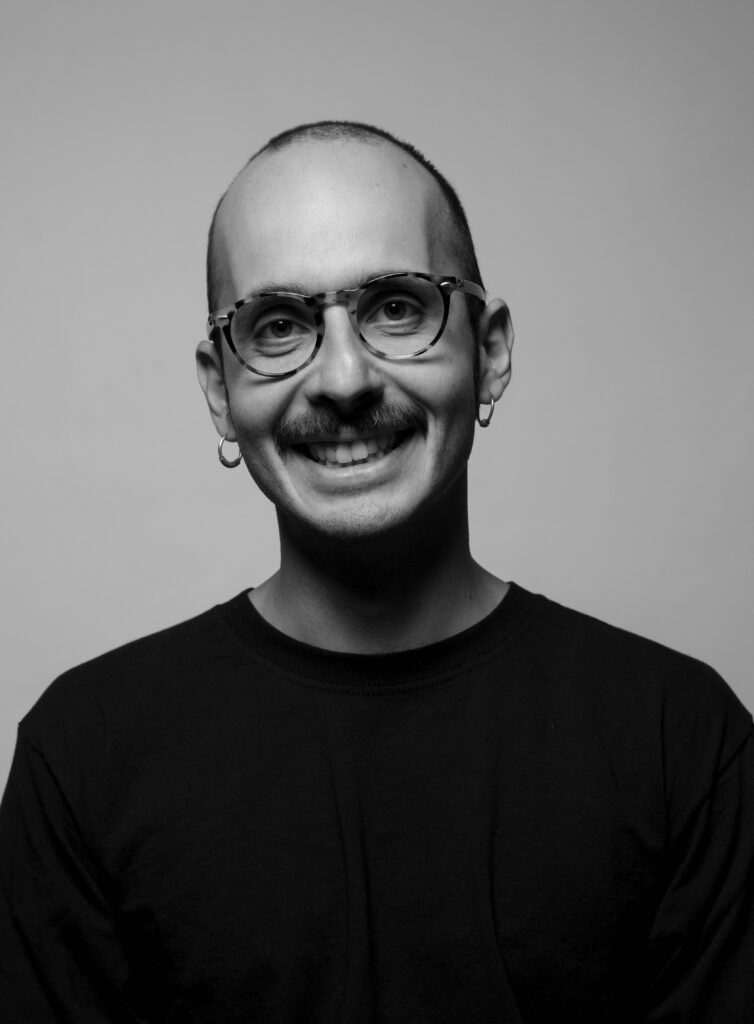
They are the best tutors around, highly selected based on first-hand experience, knowledge, passion, care for students’ results and genuine love for the craft.
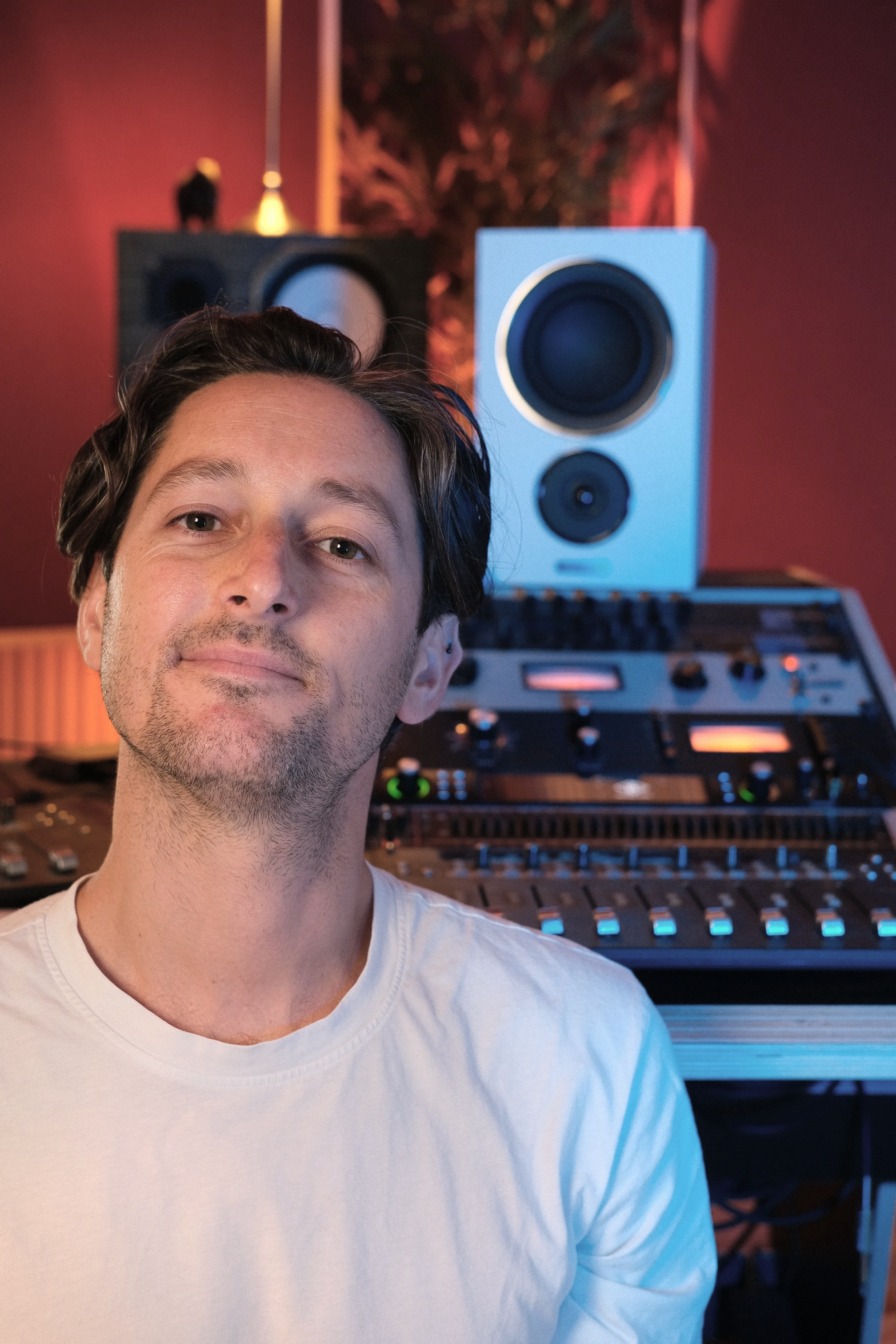
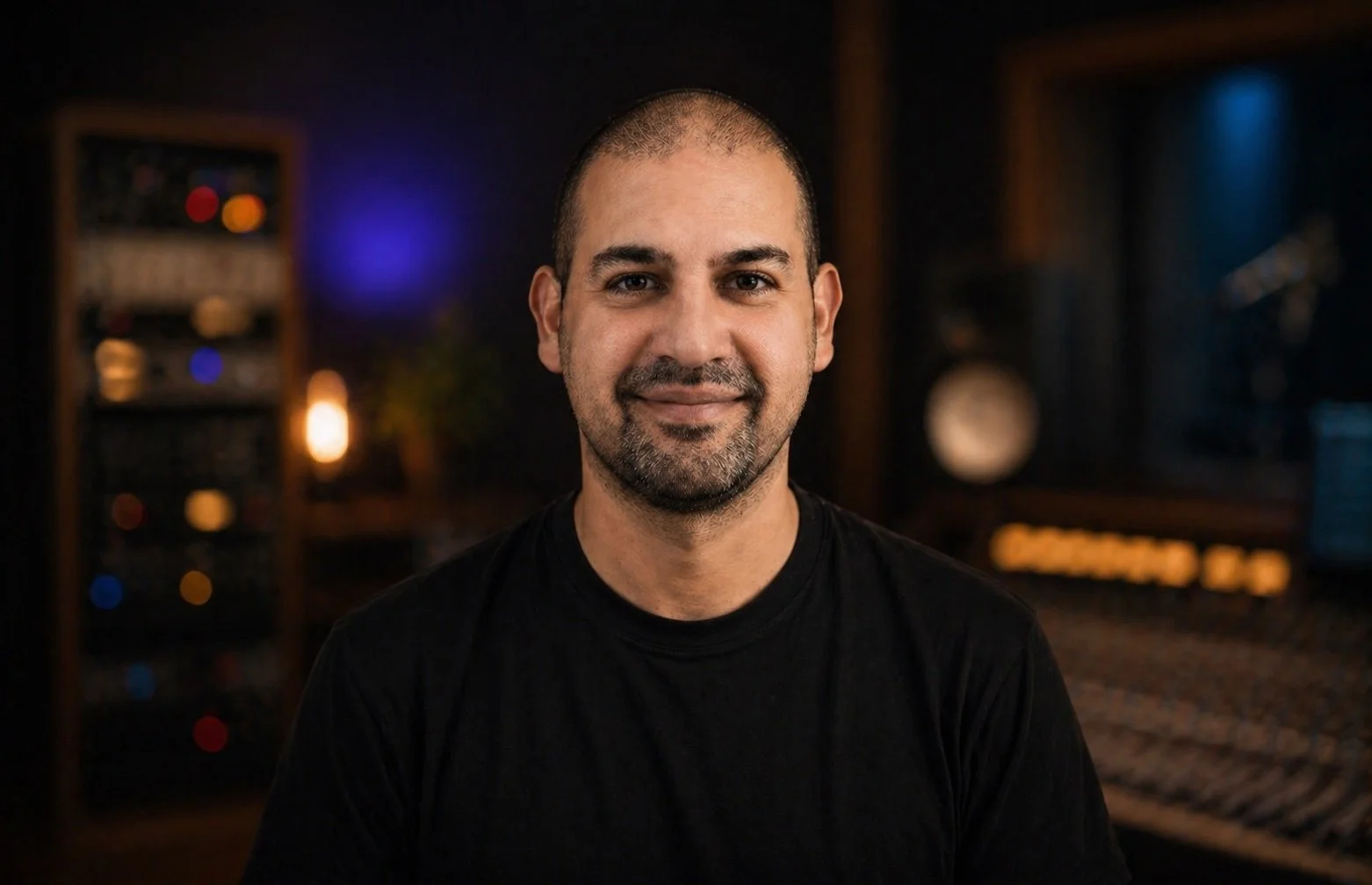
Please note: the courses are independent, and they last 5 days each. You can enrol to 1 course, or 2, 3 or all 4. Special discounts can apply for multiple courses.
The Breakdown
DAW MASTERY (Logic Pro or Pro Tools)
-
Morning (10:00–13:00) — Introduction to the DAW Environment
Understanding the professional production workflow
DAW layout and navigation
Session/project setup
Audio settings and hardware configuration
File management and media organisation
Templates and professional session structure
Keyboard shortcuts and speed workflow
Core concepts: Audio vs MIDI; sample rate and bit depth; tracks, routing and signal flow; latency and monitoring
Afternoon (14:00–17:00) — Recording & Capture Techniques
Recording audio sources
Basic microphone and input workflow
Comping and take management
Punch recording, loop recording
Working with virtual instruments
Basic MIDI input and editing
Practical: build and record a simple production session from scratch
-
Morning (10:00–13:00) — Audio Editing Techniques
Professional editing workflow
Timing correction
Crossfades and cleanup
Elastic audio / flex time concepts
Clip gain and region management
Arrangement techniques
Working to tempo and markers
Editing shortcuts and navigation acceleration
Afternoon (14:00–17:00) — MIDI & Creative Production
MIDI editing fundamentals
Piano roll editing
Quantisation and groove
Virtual instruments and samplers
Layering sounds
Creative arrangement techniques
Automation basics
Practical: create a structured musical arrangement using audio and MIDI tools
-
Morning (10:00–13:00) — Mixing Workflow
Session preparation for mixing
Gain staging
Balance and level control
Panning and stereo image
EQ fundamentals
Compression fundamentals
Reverb and delay workflows
Building depth, clarity, frequency management, dynamic control
Afternoon (14:00–17:00) — Creative Mixing Techniques
Bussing and subgroup processing
Parallel processing
Automation and movement
Effects chains
Referencing techniques
Mixing with intention
Practical: complete a guided mix using professional workflow techniques
-
Morning (10:00–13:00) — Advanced Production Techniques
Advanced routing
Sidechain workflows
Advanced automation
Time-based creative effects
Vocal production techniques
Drum editing and enhancement
Working with third-party plugins
Workflow optimisation: efficient professional templates; session management for clients and collaborators
Afternoon (14:00–17:00) — Specialist Industry Techniques
Adapts to participant interests; potential focus areas:
Podcast production
Music production
Post-production workflow
Sound design
Electronic music workflow
Vocal production
Mixing for media
Stem preparation
Live playback / session prep
Practical: industry-style production challenge and collaborative workflow exercises
-
Morning (10:00–13:00) — Final Project Development
Participants work on a complete mini-project using techniques developed throughout the week
Workflow confidence
Session organisation
Editing and arrangement
Mixing decisions
Creative problem solving
Efficient production methods
Afternoon (14:00–17:00) — Finalisation & Delivery
Final mix preparation
Exporting and delivery formats
Stems and bounce workflows
Archive and backup strategy
Client-ready session preparation
Course wrap-up: individual feedback; professional development guidance; recommended next steps; Q&A and workflow troubleshooting
-
By the end of the week, participants will:
Understand professional DAW workflow from recording to final delivery
Navigate confidently and efficiently
Record, edit, arrange and mix effectively
Build faster and more organised sessions
Develop professional workflow habits
Gain practical industry-ready skills immediately applicable to real projects
HOME STUDIO MASTERY
-
Morning (10:00–13:00)
What is a 'home studio' today
The production process: idea → arrangement → creative mindset
Critical listening fundamentals
Activities: listening exercise (analysing a track); from demo to record example
Goals: develop awareness of how to listen; understand the overall production workflow
Afternoon (14:00–17:00)
Essential hardware: audio interfaces, monitors, headphones
Signal flow basics and signals
Gain staging fundamentals
Activities: setting up a basic home studio chain; gain staging exercise (clean vs clipped vs too quiet); monitoring comparison (speakers vs headphones)
Goals: understand how sound travels through a system; correct level management; build a simple but effective setup
-
Morning (10:00–13:00)
Creative workflow: starting ideas (rhythm, harmony, texture)
MIDI basics and controllers
Introduction to synthesis (subtractive synthesis)
Activities: build a simple loop from scratch or use existing material; hands-on with MIDI controllers; create basic patches (bass, pad, lead)
Goals: learn how to start and develop musical ideas; understand MIDI as a creative tool; gain control over fundamental synthesis
Afternoon (14:00–17:00)
Sampling and audio manipulation
Arrangement basics (sections, dynamics, contrast)
Serving the song vs overproduction
Activities: turn a loop into a short arrangement; layering sounds intentionally; group critique and discussion
Goals: move from loop to structured idea; develop arrangement awareness; make musical decisions with intention
-
Morning (10:00–13:00)
Synthesis expanded (hardware vs software)
DI boxes & reamp boxes (why and when)
Activities: create and record sounds from hardware synths; synth jam as a source of inspiration
Goals: understand the building blocks of synthesisers; understand when to use DI boxes and reamp boxes
Afternoon (14:00–17:00)
Using pedals and outboard gear in a home studio
Reamping workflow
Patchbays: when they are useful (and when they are not)
Activities: route audio out of the DAW into pedals and back; reamp a recorded signal; build simple routing setups
Goals: integrate external gear creatively; understand routing flexibility
-
Morning (10:00–13:00)
EQ fundamentals (frequency ranges, problem solving)
Creative EQ vs corrective EQ
Creative use of compression
Activities: EQ sounds to shape material in arrangement; compression listening exercise; before/after comparisons
Goals: develop frequency awareness; understand how EQ shapes sounds; hear compression rather than just apply it
Afternoon (14:00–17:00)
Effects: reverb, delay, modulation
Depth and space in the creative process
Activities: create depth and interest using reverb and delay; designing sounds through effects
Goals: learn to create space intentionally; defining sounds in the production process
-
Morning (10:00–13:00)
Advanced workflow: decision-making and restraint
Common production mistakes
Automation
Activities: refine an existing project; identify and fix common issues; peer feedback session
Goals: strengthen critical listening; learn how to finish tracks; develop confidence in decisions
Afternoon (14:00–17:00)
Personal workflow development
Building a sustainable home studio practice
Tools vs creativity: avoiding gear dependency
Activities: final project presentation; reflection — personal workflow mapping; group discussion and feedback
Goals: consolidate the full production process; help participants define their own approach; leave with a repeatable workflow
-
By the end of the week, participants will:
• Understand the full production workflow from idea to finished track.
• Develop critical listening and frequency awareness.
• Build a simple, effective home studio setup with correct signal flow and level management.
• Start and develop musical ideas; move from loop to arrangement with intention.
• Gain control over the building blocks of synthesis.
• Integrate external gear (pedals, DI/reamp, patchbays) into a home studio creatively.
• Use EQ, compression, and effects to shape sounds and create space intentionally.
• Finish tracks with confidence, and leave with a repeatable workflow of their own.
MICROPHONE MASTERY
-
Morning (10:00–13:00) — Microphones 1: Topology
• Welcome and introduction to the week
• Microphones by topology — how they behave and how they work
• Single vs dual capsule designs
• Small vs large diaphragm
• Round vs rectangular capsules
Afternoon (14:00–17:00) — Microphones 2: Inside the Capsule
• Capsule resonances
• Impulse response, transients and phase
• Frequency response
• Dirt and character: harmonics, transformers and valves
• SPL and noise
• Impedance
-
Morning (10:00–13:00) — Positioning 1: Off-Axis Behaviour
• Off-axis colourations
• Proximity effect off-axis
• Diagnosing what off-axis is doing to your source
Afternoon (14:00–17:00) — Positioning 2: Patterns & Stereo
• Polar patterns and how to leverage them
• Stereophonic zoom
• Impedance in practical positioning decisions
-
Morning (10:00–13:00) — Plan for Studio Trip: Listen & Reference
• Listen to the artist's demos
• Reference tracks and target sound
• Study material and match theory to the upcoming session
Afternoon (14:00–17:00) — Plan for Studio Trip: Put Knowledge to Use
• Translate the theory into a session plan
• Mic selection and positioning decisions for tomorrow's tracking
• Prep signal flow, monitoring, and contingency choices
-
Morning (10:00–13:00) — Recording Session
• Full-day session in a commercial studio environment
• Apply mic choices and positioning decisions to a real recording
• Capture the source the class has prepared for
Afternoon (14:00–17:00) — Recording Session
• Continue tracking through the session
• Adapt in real time based on what the room and source are doing
• Document decisions for tomorrow's debrief
-
Morning (10:00–13:00) — Listen Back & Analyse
• Debrief from the commercial studio recording
• Listen to the recorded material and analyse it
• Bridge results back to the theory to consolidate understanding
• Lock in why each decision worked or didn't
Afternoon (14:00–17:00) — Production Choices & Rough Mix
• Consolidate knowledge on the recorded material
• Production choices flowing from the recording decisions
• Build a rough mix grounded in the choices made on the day
-
By the end of the week, participants will:
• Choose the right microphone for a given source, room, and target sound, and explain why
• Read off-axis behaviour and proximity effects, and use them deliberately
• Apply polar patterns and stereo techniques with intent rather than habit
• Plan a tracking session from reference and demos through to mic positioning
• Track in a real commercial studio and adapt decisions in real time, as well as any other environment.
• Bridge theory and practice - turning a recording session into a rough mix that represents the desired artistic results.
MIXING DECISIONS MASTERY
-
Morning (10:00–13:00) — How to listen like a mixing engineer
• Frequency spectrum, dynamic range, transient quality.
Afternoon (14:00–17:00) — The true value of level in mixing
• Understand why level is the most underrated decision in a mix.
• Techniques to identify the right level of each track.
-
Morning (10:00–13:00) — Reverbs and ambience
• How they can make or break a record.
• How to choose the right one to hack the listener's brain.
Afternoon (14:00–17:00) — Decision-making time: hands-on mixing
• Applying the morning's thinking to shared material.
• Comparison of the outcomes of choices in the room.
-
Morning (10:00–13:00) — The tools of the trade and how they impact emotional response
• A practical guide to making decisions about EQ, compression, transient shaping, saturation, etc.
Afternoon (14:00–17:00) — Decision-making time: hands-on mixing
• Applying the morning's thinking to shared material.
• Comparison of the outcomes of choices in the room.
-
Morning (10:00–13:00) — Parallel processing
• A very deliberate approach and techniques.
Afternoon (14:00–17:00) — Advanced compression techniques
• How to know when to use them.
• Multi-band compression, multi-bus compression, sidechain, upward, etc.
-
Morning (10:00–13:00) — How to keep learning and how to build your own method
• Create and populate the mixing diary.
• Self-critique habits for after the course ends.
Afternoon (14:00–17:00) — Decision-making time: hands-on mixing
• Final session pulling the week together.
• Defending each move out loud, with feedback on the full decision chain.
-
By the end of the week, participants will walk away with a way of thinking that connects the technical to the musical. A methodology they can apply to any mix, any genre, any material. And the ability to explain their decisions to a client, a collaborator, or themselves.
APPLY TO THE THE HIGH PROFICIENCY COURSESThis isn't a test, it's how we make sure the week is right for you. A small cohort means everyone in the room matters and gets solid results. Tell us a bit about yourself and what you're looking for. Applying is completely free and with no commitment!